
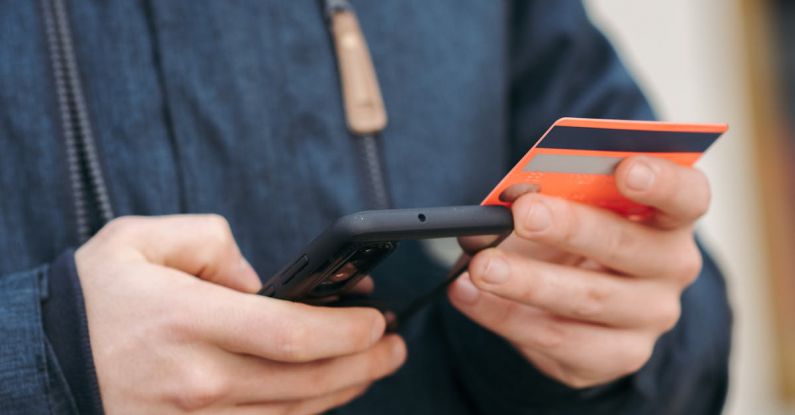
The digital revolution has not only changed the way we communicate and access information but has also revolutionized the way we handle our finances. With the rise of mobile payment apps, banking and shopping have been transformed, offering consumers more convenience and flexibility than ever before.
The Convenience of Mobile Payments
Gone are the days when carrying cash or even credit cards was a necessity. Mobile payment apps have made it possible for consumers to make transactions quickly and securely using their smartphones. Whether it’s paying for groceries, splitting a bill with friends, or purchasing goods online, mobile payment apps have streamlined the process, eliminating the need for physical currency.
The Rise of Contactless Payments
One of the key features of mobile payment apps is the ability to make contactless payments. With just a tap of their phone, consumers can complete transactions without having to swipe a card or enter a pin. This not only saves time but also reduces the risk of theft or fraud, as the need to handle physical cards is minimized.
Enhanced Security Measures
Security is a top concern when it comes to banking and shopping online. Mobile payment apps have implemented advanced security measures to protect users’ financial information, such as encryption technology and biometric authentication. With features like fingerprint or facial recognition, consumers can feel confident that their transactions are secure and their data is protected.
Seamless Integration with Banking Services
Mobile payment apps have also streamlined the integration of banking services, allowing users to manage their accounts, transfer money, and even invest directly from their smartphones. This level of convenience has made it easier for consumers to stay on top of their finances and make informed decisions about their money.
Personalized Shopping Experience
Mobile payment apps have transformed the shopping experience by offering personalized recommendations and discounts based on users’ purchasing behavior. By analyzing spending patterns and preferences, these apps can suggest products or services that are tailored to individual needs, making the shopping process more efficient and enjoyable.
The Impact on Retailers
For retailers, mobile payment apps have opened up new opportunities to reach customers and drive sales. By offering incentives and rewards for using their app, businesses can attract more customers and encourage repeat purchases. Additionally, mobile payment apps have made it easier for retailers to track inventory, manage orders, and analyze sales data in real-time, leading to more efficient operations and better decision-making.
The Future of Mobile Payments
As technology continues to evolve, the future of mobile payments looks promising. With the integration of artificial intelligence and machine learning, mobile payment apps will become even more intuitive and user-friendly, providing a seamless experience for consumers. Moreover, the adoption of blockchain technology could further enhance security and transparency in transactions, making mobile payments even more secure and efficient.
In conclusion, mobile payment apps have transformed the way we bank and shop, offering convenience, security, and personalized experiences for consumers. With the continued advancement of technology, mobile payments will only become more integrated into our daily lives, reshaping the way we handle our finances and interact with businesses.