
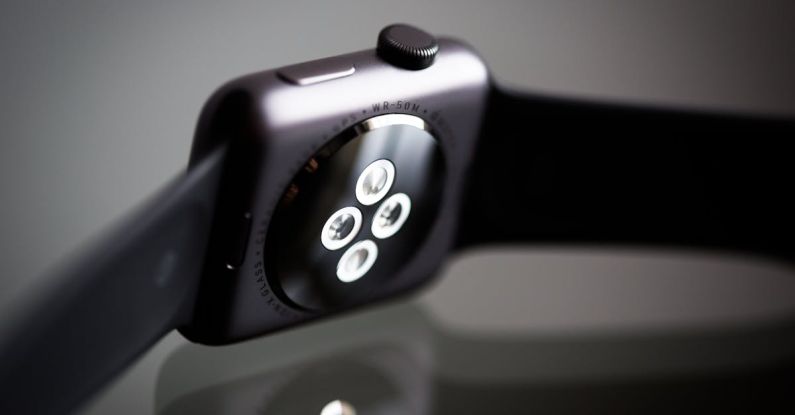
In today’s fast-paced and ever-evolving work environments, ensuring the safety and well-being of employees is a top priority for organizations across industries. With advancements in technology, wearable tech has emerged as a valuable tool in enhancing workplace safety. From monitoring vital signs to providing real-time alerts, wearable devices are revolutionizing the way organizations approach safety protocols. Let’s delve into how wearable tech is making workplaces safer for employees.
Enhanced Communication and Coordination
One of the key ways wearable tech is enhancing workplace safety is through improved communication and coordination among employees. Devices such as smartwatches and smart helmets allow workers to stay connected in real-time, enabling them to communicate with each other and supervisors effortlessly. In hazardous environments, this instant communication can be a lifesaver, ensuring that help is just a button press away in case of an emergency.
Real-Time Monitoring of Health and Safety Metrics
Wearable devices equipped with sensors can continuously monitor essential health and safety metrics, providing valuable data to both employees and employers. These devices can track vital signs such as heart rate, body temperature, and even exposure to hazardous substances. By collecting and analyzing this data in real-time, organizations can identify potential risks and take proactive measures to prevent accidents or health issues before they occur.
Improved Ergonomics and Posture
Another way wearable tech is enhancing workplace safety is by promoting better ergonomics and posture among employees. Wearable devices can monitor workers’ movements and provide feedback on their posture, helping to prevent musculoskeletal injuries and strains. By alerting employees when they are engaging in potentially harmful movements or positions, these devices can significantly reduce the risk of workplace injuries and improve overall well-being.
Enhanced Hazard Detection and Warning Systems
Wearable devices can also be integrated with hazard detection and warning systems to alert employees to potential dangers in their surroundings. For example, smart helmets equipped with augmented reality technology can overlay real-time information about hazardous conditions, such as high temperatures or toxic gases, directly onto the wearer’s field of vision. This enhanced situational awareness can help employees make informed decisions and take appropriate action to mitigate risks effectively.
Training and Skill Development
In addition to improving safety in the workplace, wearable tech can also be used for training and skill development purposes. Virtual reality headsets, for example, can simulate hazardous scenarios and provide employees with hands-on training in a safe and controlled environment. By using wearable devices for training, organizations can ensure that employees are well-prepared to handle emergencies and follow safety protocols effectively.
Employee Well-Being and Productivity
By promoting a safer work environment, wearable tech can also have a positive impact on employee well-being and productivity. When employees feel safe and supported in their work environment, they are more likely to be engaged, motivated, and productive. Wearable devices that prioritize safety can help reduce stress and anxiety among employees, leading to higher job satisfaction and overall well-being.
In conclusion, wearable tech is playing a significant role in enhancing workplace safety by improving communication, monitoring health metrics, promoting better ergonomics, enhancing hazard detection, providing training opportunities, and boosting employee well-being and productivity. As technology continues to advance, organizations that embrace wearable tech as a safety tool will not only protect their employees but also create a culture of safety and innovation in the workplace.