
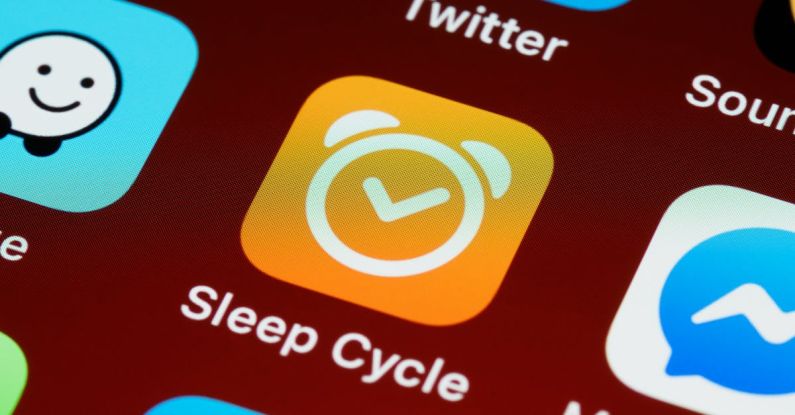
The Impact of Mobile Health Apps on Patient Care
In recent years, the healthcare industry has witnessed a significant transformation with the integration of mobile health apps into patient care. These applications have revolutionized the way patients manage their health by providing access to information, monitoring tools, and communication channels with healthcare providers. The convenience and accessibility offered by mobile health apps have not only empowered patients to take control of their health but have also influenced the overall quality of care they receive. Let’s delve deeper into how these mobile health apps are reshaping patient care.
Enhanced Patient Engagement and Empowerment
One of the primary ways mobile health apps influence patient care is by enhancing patient engagement and empowerment. These apps provide patients with a wealth of resources at their fingertips, allowing them to actively participate in their healthcare journey. From tracking symptoms and medication adherence to accessing educational materials and setting health goals, mobile health apps empower patients to take a proactive approach to managing their health.
Improved Health Monitoring and Management
Mobile health apps offer a range of features for health monitoring and management, enabling patients to track vital signs, record symptoms, and monitor their progress over time. By utilizing these tools, patients can gain valuable insights into their health status and make informed decisions about their care. For individuals with chronic conditions, mobile health apps play a crucial role in facilitating remote monitoring and enabling timely interventions to prevent complications.
Streamlined Communication with Healthcare Providers
Effective communication between patients and healthcare providers is essential for delivering high-quality care. Mobile health apps bridge the gap between patients and providers by offering secure communication channels, such as messaging features and virtual consultations. This real-time interaction fosters better care coordination, enables quick feedback on treatment plans, and enhances patient-provider relationships. Through mobile health apps, patients can easily reach out to their healthcare team, ask questions, and receive guidance without the need for in-person visits.
Personalized Care and Treatment Plans
Personalization is key to delivering patient-centered care, and mobile health apps play a pivotal role in tailoring treatment plans to individual needs. These apps can collect and analyze patient data to generate personalized recommendations, reminders, and interventions. By leveraging data-driven insights, healthcare providers can offer more targeted care that aligns with each patient’s preferences, lifestyle, and health goals. Personalized care not only improves patient satisfaction but also leads to better health outcomes.
Accessible Health Information and Resources
Mobile health apps serve as a valuable source of health information and resources for patients seeking to educate themselves about various conditions, treatments, and healthy habits. These apps provide access to reliable medical content, self-care tips, and community support networks, empowering patients to make informed decisions about their health. By offering a comprehensive suite of resources in a user-friendly format, mobile health apps promote health literacy and encourage patients to actively engage in their care.
The Future of Patient Care in the Digital Age
As technology continues to advance, the role of mobile health apps in patient care is expected to expand further. With the integration of artificial intelligence, remote monitoring devices, and predictive analytics, mobile health apps will become even more sophisticated in delivering personalized, proactive, and preventive care. The future of patient care in the digital age lies in harnessing the power of technology to empower patients, enhance communication, and improve health outcomes.
In conclusion, the influence of mobile health apps on patient care is undeniable. These apps have revolutionized the way patients manage their health by enhancing engagement, facilitating monitoring, improving communication, enabling personalization, and providing access to resources. As mobile health apps continue to evolve, they hold the potential to transform healthcare delivery, empower patients, and drive better health outcomes. Embracing the digital revolution in patient care is not just a trend but a necessity in the modern healthcare landscape.