
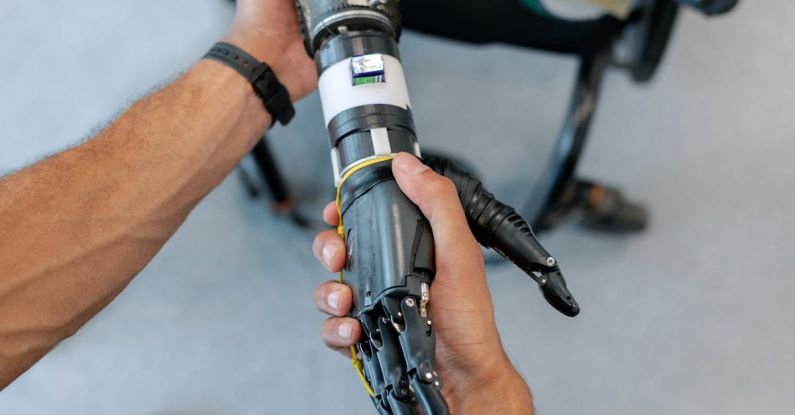
Robotic exoskeletons have been revolutionizing the field of rehabilitation therapy, offering new hope and possibilities for individuals recovering from various injuries and disabilities. These high-tech devices are designed to assist patients in regaining mobility, strength, and independence by providing external support and guidance during their rehabilitation process. As the demand for more effective and efficient rehabilitation methods continues to grow, the question arises: how effective are robotic exoskeletons in rehabilitation therapy?
Enhancing Mobility and Functionality
One of the key benefits of robotic exoskeletons in rehabilitation therapy is their ability to enhance mobility and functionality for individuals with mobility impairments. By providing external support and assistance, these devices enable patients to perform movements and activities that may otherwise be challenging or impossible. This can be particularly beneficial for individuals recovering from stroke, spinal cord injuries, or other neurological conditions, as it helps in retraining the muscles and improving coordination.
Promoting Neuroplasticity
Neuroplasticity, the brain’s ability to reorganize itself by forming new neural connections, is crucial for recovery and rehabilitation. Robotic exoskeletons play a significant role in promoting neuroplasticity by engaging patients in repetitive and task-specific movements. Through consistent practice with the assistance of these devices, patients can stimulate their brain’s adaptive mechanisms, leading to improved motor function and recovery outcomes.
Customized Rehabilitation Programs
Another advantage of robotic exoskeletons is their ability to provide customized rehabilitation programs tailored to each individual’s needs and abilities. These devices can be adjusted to accommodate different levels of assistance, resistance, and feedback, allowing therapists to personalize the treatment plan according to the patient’s specific goals and progress. This personalized approach ensures that the rehabilitation therapy is both effective and engaging for the patient.
Real-Time Feedback and Monitoring
Robotic exoskeletons offer real-time feedback and monitoring capabilities, which are essential for optimizing the rehabilitation process. By tracking the patient’s movements and performance metrics, therapists can analyze the data to make informed decisions about the treatment plan and adjust it as needed. This feedback loop not only helps in monitoring the patient’s progress but also motivates them to actively participate in their rehabilitation journey.
Improved Compliance and Patient Engagement
Traditional rehabilitation methods can be repetitive and monotonous, leading to low patient compliance and engagement. In contrast, robotic exoskeletons make the rehabilitation process more interactive and enjoyable for patients. The gamified features, virtual reality simulations, and biofeedback mechanisms integrated into these devices help in keeping patients motivated and engaged throughout their therapy sessions. This increased engagement ultimately leads to better outcomes and faster recovery times.
Cost-Effectiveness and Accessibility
While the initial cost of acquiring robotic exoskeletons may be high, their long-term benefits in terms of improved patient outcomes and reduced healthcare costs cannot be overlooked. By accelerating the rehabilitation process and minimizing the need for prolonged hospital stays or intensive therapy sessions, these devices offer a cost-effective solution for both patients and healthcare providers. Additionally, the increasing availability of robotic exoskeletons in rehabilitation centers and clinics makes this advanced technology more accessible to a wider range of patients in need.
Empowering Patients Towards Independence
Ultimately, the effectiveness of robotic exoskeletons in rehabilitation therapy lies in their ability to empower patients towards regaining independence and improving their quality of life. By supporting and guiding individuals through their recovery journey, these devices instill a sense of confidence and autonomy in patients, motivating them to push their limits and achieve their rehabilitation goals. The transformative impact of robotic exoskeletons goes beyond physical recovery, as it also fosters emotional resilience and mental well-being in patients facing challenges on their path to recovery.
In conclusion, robotic exoskeletons have proven to be highly effective tools in rehabilitation therapy, offering a combination of advanced technology, personalized care, and patient-centered approach. With their ability to enhance mobility, promote neuroplasticity, provide customized programs, offer real-time feedback, improve compliance, and empower patients towards independence, these devices are paving the way for a new era of rehabilitation practices. As we continue to witness the evolution of robotic exoskeletons and their integration into mainstream healthcare, the future looks promising for individuals seeking to overcome physical limitations and reclaim their lives through innovative rehabilitation solutions.